
The Unsung Heroes of Fluid Control in Medical Device Design
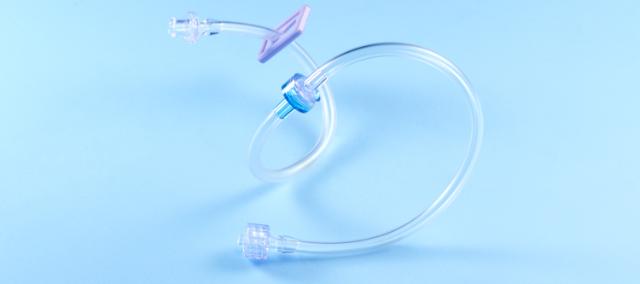
In the world of medical devices, precision and reliability aren’t optional—they’re essential. While headlines may focus on advanced imaging systems, groundbreaking therapies or innovative materials, the reality is that many of the most critical safeguards happen behind the scenes.
Valves, stopcocks and injection sites are the quiet workhorses that protect fluid integrity, control flow and keep assemblies performing under pressure—literally. Choosing the right ones can mean the difference between a flawless procedure and a costly failure.
This guide explores why fluid control matters, the design challenges engineers face, and how carefully selected components can deliver both accuracy and safety.
Why Fluid Control Matters
Every component in a fluid path plays a role in patient safety and device performance. Whether it’s transferring medication, flushing a catheter or collecting a blood sample, the right valve or access point helps maintain:
- Consistent pressure and flow rates to ensure treatment efficacy
- Leak prevention that safeguards the patient, healthcare professional and equipment
- Controlled access for injections, sampling or flushing without risking contamination
Incompatible or poorly specified components can lead to pressure loss, sterility breaches or system downtime. For medical device manufacturers, these risks can have regulatory, financial and reputational consequences.

From Clean Manufacturing to Safe Materials
- Cleanroom manufacturing helps maintain a secure supply chain by reducing airborne contaminants during production. This ensures components arrive ready for sterile processing and integration into sensitive assemblies.
- Biocompatibility confirms that materials are safe for patient contact and won’t cause adverse reactions.
Together, these quality measures build confidence for device designers and clinicians who need components that perform flawlessly every time.
Regulatory and Material Considerations
When evaluating fluid control components, regulatory compliance isn’t just a checklist—it’s an assurance of quality and performance. Common standards include:
- ISO 10993 – Ensures biocompatibility for medical devices
- USP <88> – Measures biological reactivity
- REACH & RoHS – Restrict hazardous substances for environmental and user safety
Material selection is equally critical. For example, polycarbonate offers high-pressure tolerance and clarity for visual inspection, polypropylene provides chemical resistance, and silicone delivers flexibility and sealing properties. Matching the right material to the application helps maximize both performance and lifecycle.

Choosing the Right Component for Pressure and Flow Needs
No two fluid path designs are the same. Engineers must match component performance to system requirements:
- High-pressure shutoff vs. low-pressure, high-flow transfer rates
- One-way flow, multi-port integration or bi-directional access based on procedure needs
- Standardized connection types (luer lock, barbed, custom fittings) to ensure compatibility across assemblies or prevent misconnections
Ergonomic factors also matter. Tactile or audible indicators (like a click) help confirm position changes, reducing the risk of user error in fast-paced clinical environments.
Qosina Featured Components – Solutions You Can Count On
Rather than discussing fluid control in the abstract, let’s look at specific Qosina components that exemplify these principles in real-world use.
1. Flow Control Switch #97361 – High-Pressure Shutoff with Precision
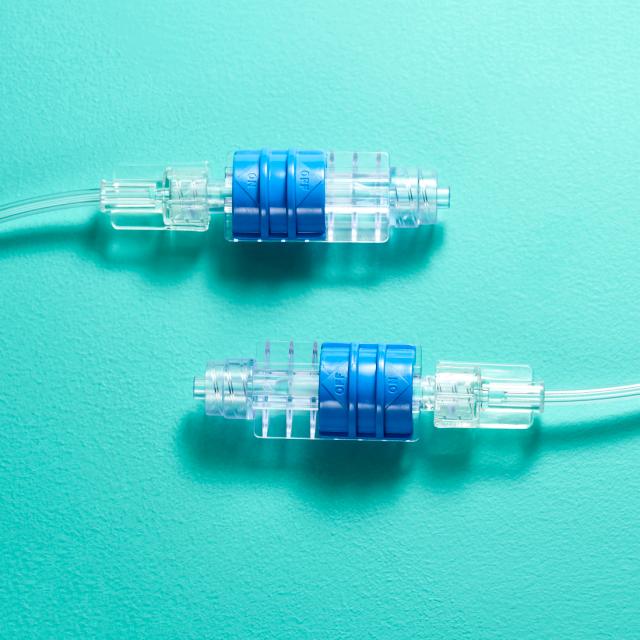
This inline switch is engineered for systems operating up to 1200 psi, offering precise, leak-free shutoff. An ergonomic slider and audible “click” confirm position changes, making it ideal for environments where accuracy is critical. Its female luer lock inlet and male luer lock outlet make integration fast and secure—perfect for high-pressure medical and lab applications.
2. 1-Way Stopcock #11195 – Compact, Dependable Fluid Management
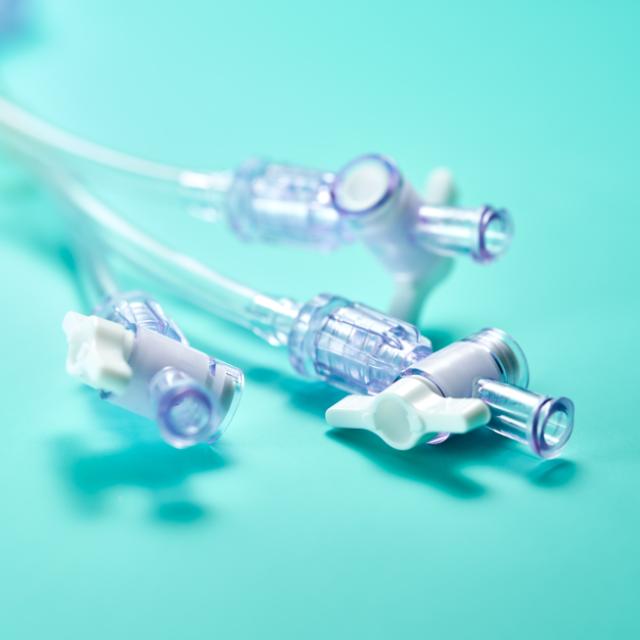
Designed for space-constrained assemblies, this low-profile stopcock manages fluid direction with ease. The built-in spin lock aids in device assembly, while gamma stable tinted material supports sterile processing without product discoloration. It’s been a Qosina customer favorite for nearly two decades.
3. Dual Check Valve #79000 – Multi-Port Efficiency
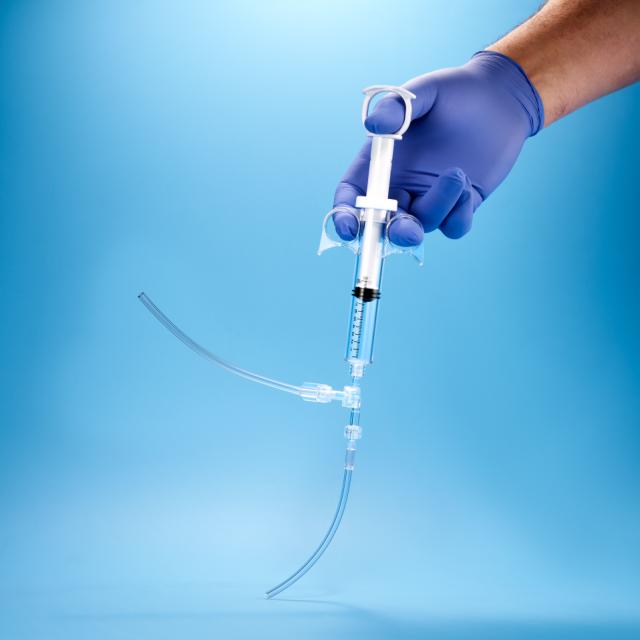
This valve combines a female luer lock inlet, male luer lock outlet and female luer lock control port—allowing injection and aspiration through separate ports without disconnecting or turning a stopcock. With a low 3 psi cracking pressure, it’s a smart choice for fluid administration and prototyping where efficiency matters.
4. High-Flow Check Valve #91050 – Low Pressure, Big Volume
When you need high volume transfer at minimal resistance, this valve delivers with a cracking pressure of just 0.075 psi. The barbed connection fits ¼ inch ID tubing, and the clear acrylic housing with silicone valve makes visual inspection easy. It’s a go-to for medical applications that demand reliable flow.
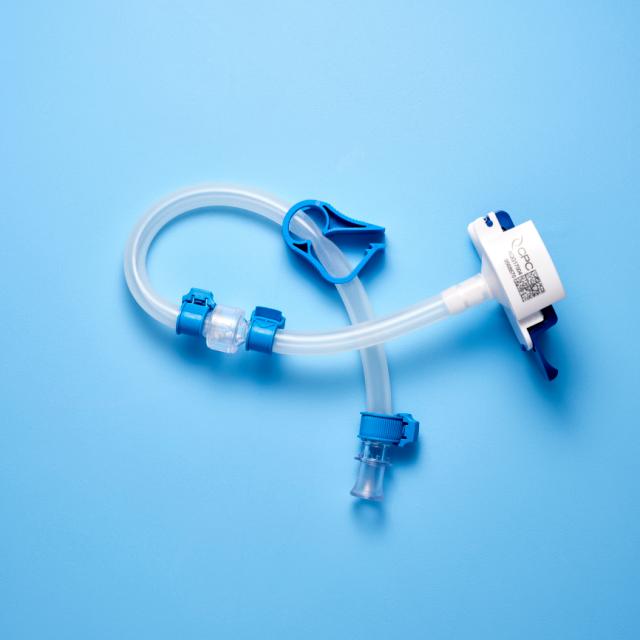
5. Needleless Injection Site #80147 – Safe, Closed-System Access
Featuring a self-sealing silicone valve with an easy-to-clean surface, this injection site supports both sampling and injection without the risk of needle sticks. The male luer lock connection integrates easily into assemblies, making it an excellent option for closed systems where sterility is critical.

Integrating Components into Your Design
Choosing high-quality parts is just the beginning—successful integration requires:
- Reviewing flow dynamics and ensuring components don’t create unwanted pressure drops
- Verifying material compatibility with all fluids in the system
- Ensuring that component size, shape and ergonomics fit the intended environment of use
- Considering color-coding or labeling to aid in assembly and prevent connection errors
- Ensuring the individual components are compatible with your chosen sterilization method
Designing for Performance and Safety
Medical device performance depends on attention to detail at every stage of design and assembly. By selecting components manufactured in controlled environments, made from biocompatible materials and engineered for the specific flow and pressure demands of your system, you’re building more than a device—you’re building trust.
Contact our technical support team to discuss your next project and find the ideal component fit.